
DISCLAIMER: This website provides content for informational and educational purposes only. No information on this site constitutes professional advice, and you should consult a qualified expert before making any decisions.
AFFILIATE DISCLOSURE: Some links on this site are affiliate links. If you click on them and make a purchase, I may earn a small commission at no extra cost to you. I only recommend products or services I believe will add value. Thank you for supporting this content.
Distinguish stress from anxiety & panic attacks. Learn the hidden drain, proven strategies & avoid top mistakes. Reclaim your calm today.
Table of Contents
Anxiety & Panic Attacks vs regular stress
I remember the day my heart raced so fast I thought I was dying. My chest tightened, my vision blurred, and the world felt unreal. For months, I had told myself I was just “busy”—that the constant pressure, the sleepless nights, and the irritability were just the price of success. Then my body screamed back. That first panic attack was the moment I realized: what I called “normal stress” had become a hidden drain, quietly stealing my health, clarity, and joy. If you’ve ever wondered whether your daily grind has crossed into danger territory, you’re in the right place. This guide draws on my 15 years of clinical and personal experience in mind-body wellness to help you distinguish between stress, anxiety, and panic—and more importantly, to reclaim your calm.
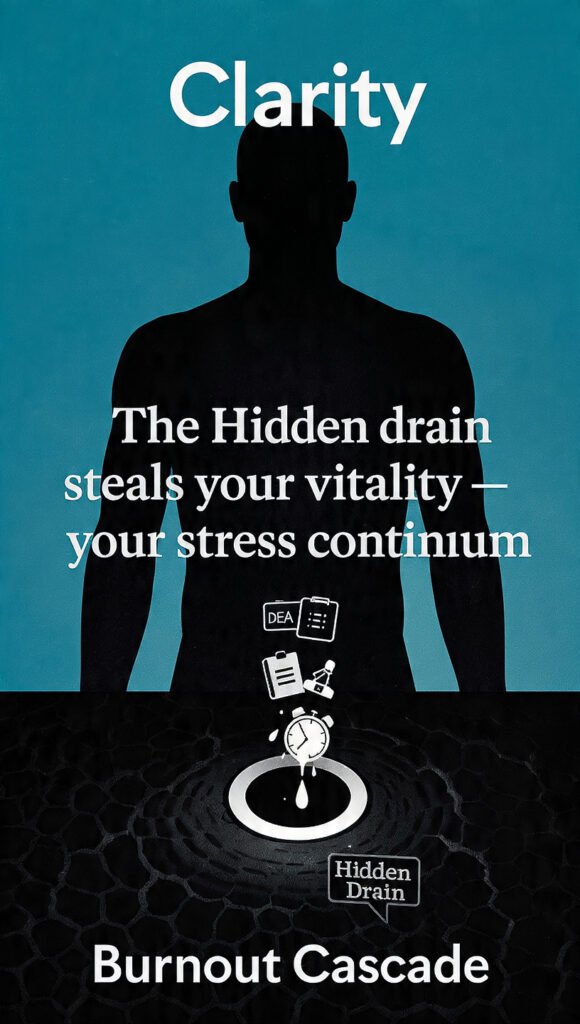
The difference matters because stress is a signal; the hidden drain is a trap. Knowing where you are on the stress continuum can save you from the burnout cascade, adrenal fatigue, and a life half-lived. Let’s cut through the confusion and get clear on what your nervous system is really telling you.
1. The True Difference: Anxiety vs Panic vs Stress
Stress, anxiety, and panic are not interchangeable words. They are distinct physiological and psychological states. Understanding them is the first step toward effective relief.
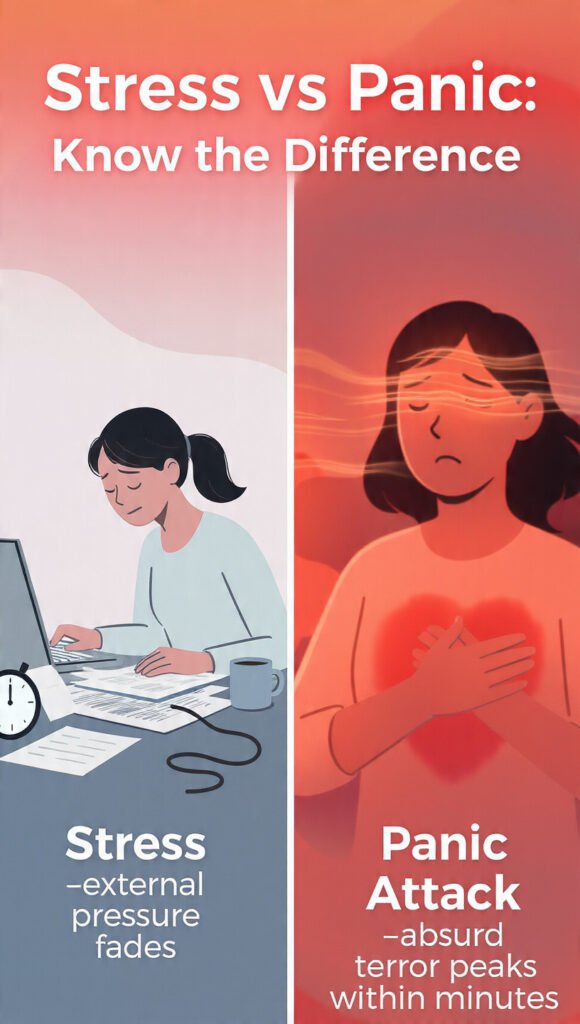
Stress is a reaction to an external pressure—a tight deadline, a traffic jam, an argument. It typically fades when the stressor is removed. Your heart rate might rise, but you remain grounded in reality. Anxiety is a persistent sense of dread or worry, often without a clear immediate cause. It lingers, coloring your thoughts and tightening your muscles even during quiet moments. Panic attacks, on the other hand, are abrupt surges of intense fear that peak within minutes, accompanied by physical symptoms like chest pain, choking sensations, and a terrifying feeling of losing control or dying. They can strike out of the blue, even during sleep.
Many confuse panic with simple worry, but the panic threshold is a distinct line. While stress can be productive (alertness, motivation), anxiety and panic drain your reserves, pushing you toward the hidden drain described in the Clarifier framework. The differential diagnosis is critical: chronic stress progression can evolve into an anxiety disorder, and untreated anxiety can prime the brain for full-blown panic attacks. Recognizing the symptom hierarchy—from tension to trembling to terror—helps you act before the cascade.
2. The Proven Benefits: Why Distinguishing Matters
Why invest time in understanding these nuances? Because clarity leads to targeted solutions. Here’s what research and practice reveal:
- Personalized coping strategies: Stress responds well to time management and breaks. Anxiety benefits from cognitive-behavioral techniques and somatic practices. Panic often requires interoceptive exposure and breathing retraining. One size does not fit all.
- Early intervention prevents the burnout cascade: A 2023 study by the American Psychological Association found that individuals who recognized early signs of chronic stress progression were 40% less likely to develop severe burnout or panic disorder.
- Preservation of adrenal health: When you know the panic threshold, you can avoid pushing your adrenal glands into exhaustion. The “hidden drain” concept from Clarifier explains how unaddressed stress silently depletes your vitality.
- Reduced medical misdiagnosis: Panic attacks often mimic heart problems, leading to unnecessary ER visits. Understanding the symptom hierarchy—racing heart, derealization, fear of impending doom—can differentiate a panic event from a cardiac event, though seeking medical clearance is always wise.
- Restored sense of control: Naming your experience accurately reduces helplessness. It shifts you from victim to informed participant in your own healing.
In my practice, I’ve seen clients transform once they grasp these distinctions. One executive, after learning that his “stress headaches” were actually anxiety prodromes, integrated targeted breathing exercises and the Clarifier hidden drain protocol, reducing panic episodes from weekly to none in six months.
3. A Step-by-Step Strategy for Calm: From Auditing to Thriving
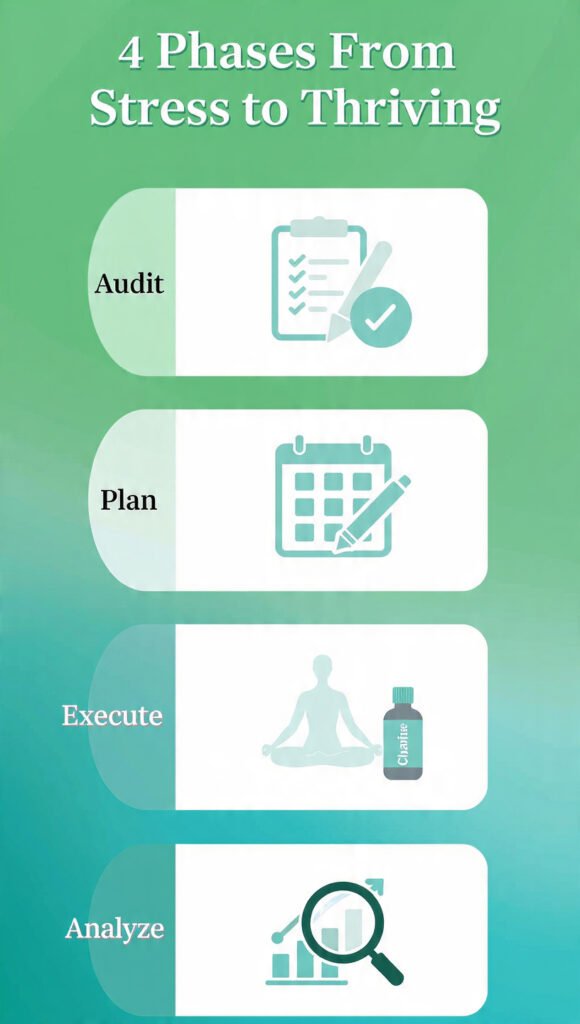
Ready to move from theory to action? Follow this four-phase framework, grounded in both psychophysiology and mind-body principles.
Phase 1: Audit Your Stress Continuum
Begin by mapping your current state. For one week, keep a simple journal. Each time you notice a shift—tense shoulders, racing thoughts, a surge of heart rate—note the trigger, your reaction, and its intensity on a scale of 1–10. Were you stressed, anxious, or nearing panic? This self-observation builds the foundational clarity that the Clarifier method emphasizes: “You can’t fix what you don’t face.”
Phase 2: Plan with Precision
Set a specific, measurable goal. For example: “I will reduce my anxiety-induced sleep disturbances to fewer than 2 nights per week within 30 days.” Identify your top three stressors and outline a response toolkit: a 5-minute breath practice for stress spikes, a grounding exercise for anxiety loops, and a cold water splash for panic prodromes. Write down the early warning signs you discovered in Phase 1, and commit to a daily check-in.
Phase 3: Execute with Support
Integrate your toolkit into daily life. Use the Clarifier product as an adjunct—its approach targets the neurological “drain” that keeps the stress cycle running. (Many users report a noticeable shift within two weeks.) Additionally, build a buffer: block 30 minutes each day for restorative activity, whether gentle yoga, forest bathing, or simply silence. Consistency is non-negotiable here; the brain needs repeated experiences to rewire its threat response.
Phase 4: Analyze and Iterate
After 30 days, review your journal. Which tool lowered your scale number most effectively? Did any new triggers emerge? Adjust your plan based on evidence, not emotion. This iterative loop mirrors the scientific method—and it’s the key to lasting resilience. Remember, progress is better than perfection.
4. Top 5 Mistakes That Keep You Stuck
Over the years, I’ve seen these blunders derail even the most motivated individuals:
- Ignoring the whisper until it becomes a scream. You dismiss that tight jaw or creeping fatigue as “nothing.” Then panic erupts. Heed the subtle signals; they are your early warning system.
- Self-medicating with alcohol or distractions. Numbing the feelings might bring temporary relief but deepens the hidden drain. Alcohol disrupts sleep architecture and can actually increase next-day anxiety.
- Confusing a panic attack for a heart attack. While you should always rule out cardiac issues, mistaking every racing heart for a medical emergency can fuel a cycle of fear. Learning the distinguishing symptoms—such as tingling fingers and derealization—can spare you months of health anxiety.
- Complete avoidance of triggers. Avoiding that crowded grocery store or public speaking only shrinks your world and reinforces the fear. Gradual, supported exposure retrains your brain.
- Going it alone. Shame and stigma keep many from seeking help. But a coach, therapist, or even a well-designed tool like Clarifier can provide the structure you need to break free.
5. Advanced Tools and Insights for Long-Term Resilience
Once you’ve stabilized, consider these deeper layers:
- Leverage vagal tone exercises: The vagus nerve is the body’s relaxation highway. Slow, extended exhalations (e.g., 4-second inhale, 8-second exhale) stimulate the parasympathetic response, directly dialing down anxiety and panic.
- Reframe stress as information, not enemy: A 2022 Stanford study showed that reappraising stress as a performance-enhancing tool shifts hormone profiles, making you more resilient. The Clarifier method builds on this by helping you decode the message behind the symptom.
- Address the quantum-


