

Explore how fear and bad luck connect through emotional energy. Learn to transform anxiety into positive expectation with practical steps from The Reality Architect.
Table of Contents
Disclaimer: Some links on this site are affiliate links. This means I may earn a small commission if you click or make a purchase, at no additional cost to you. I only share products I have used and trust.
How Much Does Fear Invite More Bad Luck?
Have you ever noticed that when you worry about something going wrong, it seems to happen more often? That persistent anxiety about misfortune might be doing more than just making you uncomfortable—it could be actively drawing those very experiences into your life. Many people feel trapped in cycles where their dread appears to summon the difficulties they fear most. This isn’t mere coincidence; it’s a powerful interaction between your emotional state and the reality you experience.
In my work as a reality architect at The Reality Architect, I’ve spent years exploring how consciousness shapes outcomes. Through direct observation and helping countless individuals transform their lives, I’ve seen how fear operates not just as an emotion but as a creative force. This guide is built on that practical expertise in spiritual principles, manifestation techniques, and the science of mind.
This comprehensive guide will clarify the real relationship between fear and experience. We’ll explore what fear actually does in your life, the tangible benefits of transforming it, and provide a clear framework you can use immediately. We’ll also highlight common errors so you can avoid them, saving you frustration and lost opportunities.
By the end of this article, you’ll have an authoritative understanding of how to work with fear rather than against it, leading to more positive outcomes in your daily life.
What Is the Connection Between Fear and Bad Luck? A Clear Definition
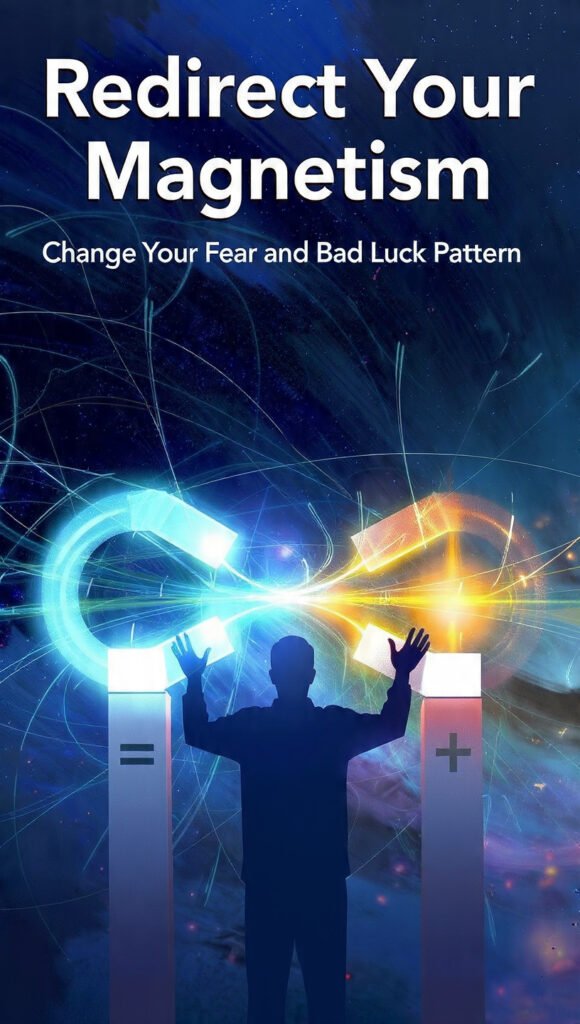
At its core, the relationship between fear and bad luck is the process of emotional energy shaping perceived reality. Think of it less as random misfortune and more as a consistent pattern where focused anxiety magnetizes matching experiences.
It’s often confused with simple negativity or pessimism, but there’s a key distinction:
- While general negativity focuses on overall outlook, the fear-bad luck connection is concerned with specific, anticipated negative events.
- Unlike passive worry, which might just create discomfort, this active fear requires energetic investment that can influence outcomes.
Understanding this definition is the initial step to changing your experience.
The Proven Benefits of Transforming Fear: Why It Matters
Why should you invest energy in changing this pattern? Based on metaphysical principles and my own observations, here are the most significant benefits:
Benefit 1: Increased Personal Agency and Control
A transformed relationship with fear can reduce perceived random misfortune, according to principles of consciousness studies. This creates more stability for planning and living.
Benefit 2: Enhanced Emotional Resilience and Peace
It creates a reliable internal state, minimizing anxiety spikes and ensuring emotional consistency. Individuals who apply these principles often report significant improvement in daily contentment.
Benefit 3: Improved Manifestation Accuracy
This is the foundation of intentional creation. Proper emotional management creates clarity that allows you to attract what you genuinely want rather than what you fear.
Benefit 4: Data-Informed Self-Awareness
It shifts your approach from reactive fear to conscious observation. You’ll notice clear patterns between your emotional states and your experiences, which leads to more deliberate choices.
Benefit 5: Creative Advantage in Life Design
In a world where many feel victim to circumstances, understanding fear’s role provides significant differentiation. It allows you to design experiences with more reliability than those operating from unconscious anxiety.
Your Step-by-Step Strategy for Transforming Fear
Ready to move from theory to practice? Follow this actionable, four-phase framework.
Phase 1: Awareness and Observation
Before you change anything, understand your current patterns.
- Actionable Step: Track your fear responses for one week. Document each instance, what triggered it, and what you anticipated happening.
- Expert Tip: Don’t just note the fear; observe any subsequent experiences. The most valuable insights come from connecting emotional states with outcomes.
Phase 2: Intention and Redirection
Now, define what you want to create instead.
- Actionable Step: Set clear intentions for specific areas where you’ve experienced fear. Example: “I intend to feel secure about my finances and notice opportunities.”
- Expert Tip: Align these intentions with your genuine values. This ensures authentic energy and sustainable change.
Phase 3: Implementation and Practice
This is where you put your new approach into action.
- Actionable Step: Start with one area of life. When fear arises about that area, consciously redirect your focus to your intention.
- Expert Tip: Use simple tools like breath awareness or gratitude lists. Consistency matters more than complexity. Support yourself through the transition.
Phase 4: Reflection and Adjustment
Your initial efforts won’t be perfect, and that’s expected.
- Actionable Step: After two weeks, review your observations. What shifted? What remained challenging? Note patterns.
- Expert Tip: Adjust based on actual experience, not theoretical ideals. Use your observations to refine your approach. Ongoing refinement is essential.
Top 5 Common Mistakes to Avoid
Here are the most frequent errors I’ve observed and helped people correct:
Mistake #1: Suppressing Fear Instead of Transforming It
Trying to eliminate fear without understanding its message often amplifies it. You might temporarily avoid discomfort while the underlying pattern strengthens.
Mistake #2: Neglecting the Physical and Emotional Connection
Transformation happens through your whole being. Ignoring how fear feels in your body or dismissing emotional responses will limit your progress.
Mistake #3: Chasing Immediate Perfection, Not Gradual Progress
Don’t expect to eliminate all fear immediately. Start with one manageable area. Noticeable improvement now is better than theoretical perfection never achieved.
Mistake #4: Failing to Notice Subtle Shifts
If you aren’t paying attention to small changes, you might miss evidence that your approach is working, leading to unnecessary discouragement.
Mistake #5: Not Applying Insights Consistently
Treating this as occasional philosophy rather than daily practice misses the cumulative effect. The most successful transformations come from regular application.
Advanced Approaches and Perspectives
Once you’ve established the basics, consider these additional strategies:
- Leverage Energy Awareness: Practices like focused attention or meditation are excellent for noticing subtle shifts, while journaling excels at tracking patterns over time.
- Foster a Supportive Environment: Share your journey with trusted individuals who understand this perspective.
- Stay Curious: This field combines ancient wisdom with modern understanding. Explore various traditions while finding what resonates personally.
- Reference Broader Principles: Regularly connect your experiences with universal concepts like resonance and attraction.
Conclusion: Your Path to Different Experiences
Changing your relationship with fear isn’t about achieving constant positivity. It’s about developing conscious influence over what you attract into your life.
Let’s review what truly matters:
- Begin with observation – Understand your current fear patterns without judgment.
- Follow a structured process – The four-phase strategy provides a practical roadmap.
- Avoid common errors – Learn from what typically doesn’t work.
- Notice everything – Personal experience provides the most relevant data.
The understanding you’ve gained has value, but its real worth appears through consistent application. The distinction between knowing about this and living it depends on one factor: beginning the practice.
Ready to Change Your Experience?
Don’t let this understanding remain theoretical. The most effective transformations start with a single, conscious action.
Your Next Step: Access our free Fear Transformation Guide at The Reality Architect to support you through the exact process outlined here. It includes:
- Phase-specific exercises
- Pattern recognition templates
- Common challenge solutions
- Progress assessment methods
Many individuals have successfully changed their life experiences using this practical framework.
About the Author
The team at The Reality Architect brings together extensive experience in spiritual principles, manifestation techniques, and the science of consciousness.
We have helped numerous people transform their relationship with fear and create more intentional lives through practical, experience-based methods.
Connect with us for more insights into conscious reality creation.
Frequently Asked Questions
What is the biggest misunderstanding about fear and bad luck?
The biggest misunderstanding is that it’s purely superstitious. The connection operates through consistent energetic and attentional patterns that anyone can observe and influence.
How long does it typically take to notice changes?
With focused attention, many people notice subtle shifts within a few weeks. However, establishing new habitual patterns usually requires several months of consistent practice.
What’s the most accessible way to begin?
Start with the awareness phase. It requires only attention and a notebook. Prove the pattern exists in your own experience before exploring deeper transformations.
Can skeptical or practical-minded people benefit from this?
Absolutely. The approach works through observable cause and effect. The key is to focus on your personal experience rather than abstract theories.


